ANATOMY
CORE

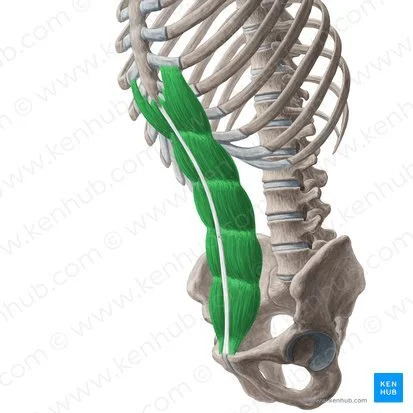
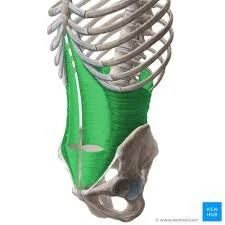
The center core is made up primarily of two major muscles:
Rectus Abdominis
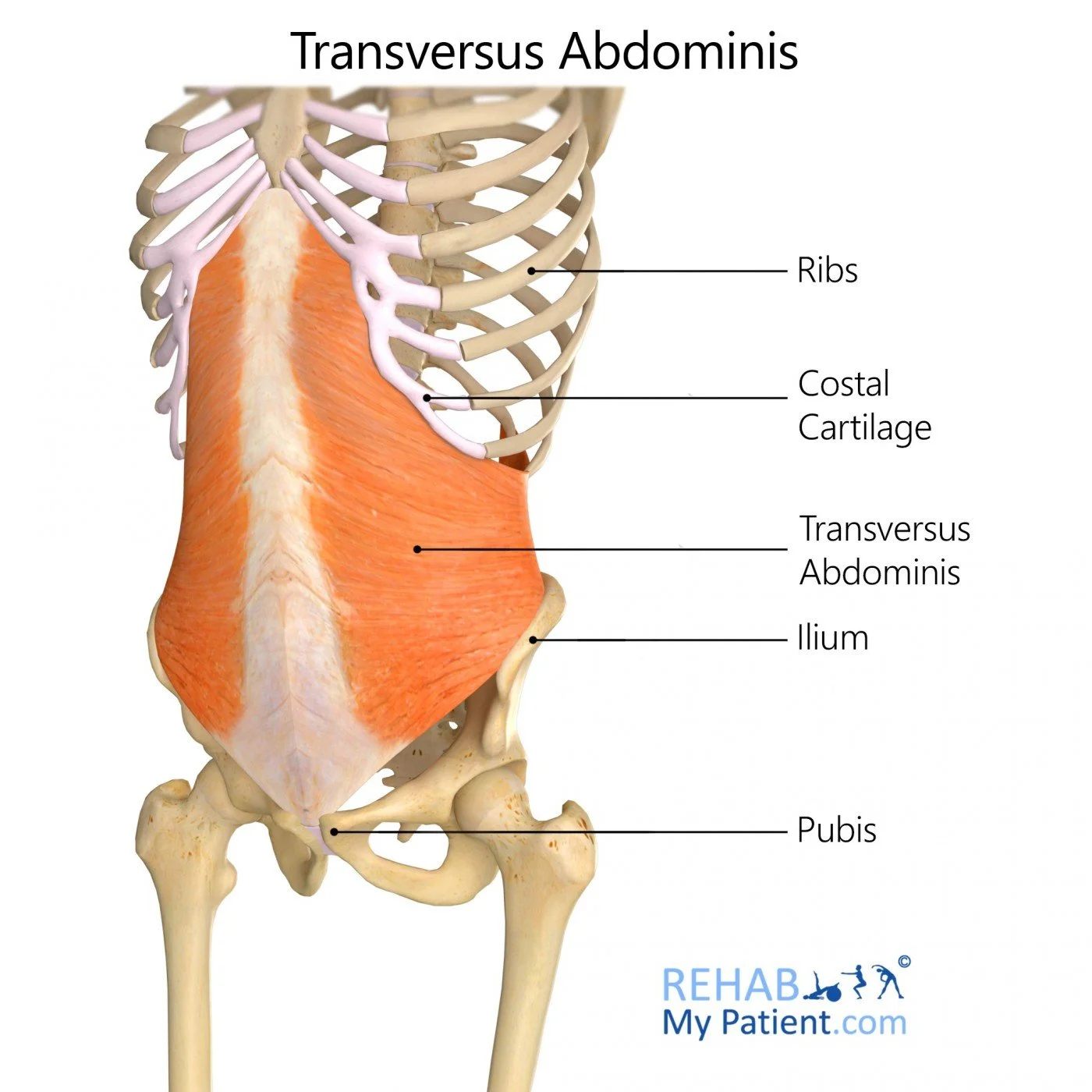
Transverse Abdominis
Although they have different functions, they work together as one system.
You cannot fully isolate one section of the abdominals—but you can change where the work is felt by changing where the body stabilizes.
HOW STABILIZATION CHANGES THE FEEL
Stabilizing the upper body → clients will feel more work in the lower abdominals
Stabilizing the lower body → clients will feel more work in the upper abdominals
This is why cueing body position matters more than adding reps.
TRANSVERSE ABDOMINIS (TA)
The stabilizer
Primary role:
Draws the belly button toward the spine
Stabilizes the spine and pelvis
Creates deep core support
How it shows up in class:
Isometric holds
Slow, controlled movements
Any move requiring spinal stability
Key coaching language:
“Pull the belly button back toward the spine.”
“Hollow out the belly.”
“Zip up the core like a corset.”
The transverse abdominis should feel deep, controlled, and steady, not like crunching.
RECTUS ABDOMINIS
The mover
Primary role:
Flexion and rounding of the spine
Forward bending movements
How it shows up in class:
Crunches
Roll-ups
Spinal flexion work
Key coaching language:
“Round the spine.”
“Ribs move toward hips.”
“Curl from the sternum, not the neck.”
Rectus work should feel focused and intentional, not rushed or momentum-driven.
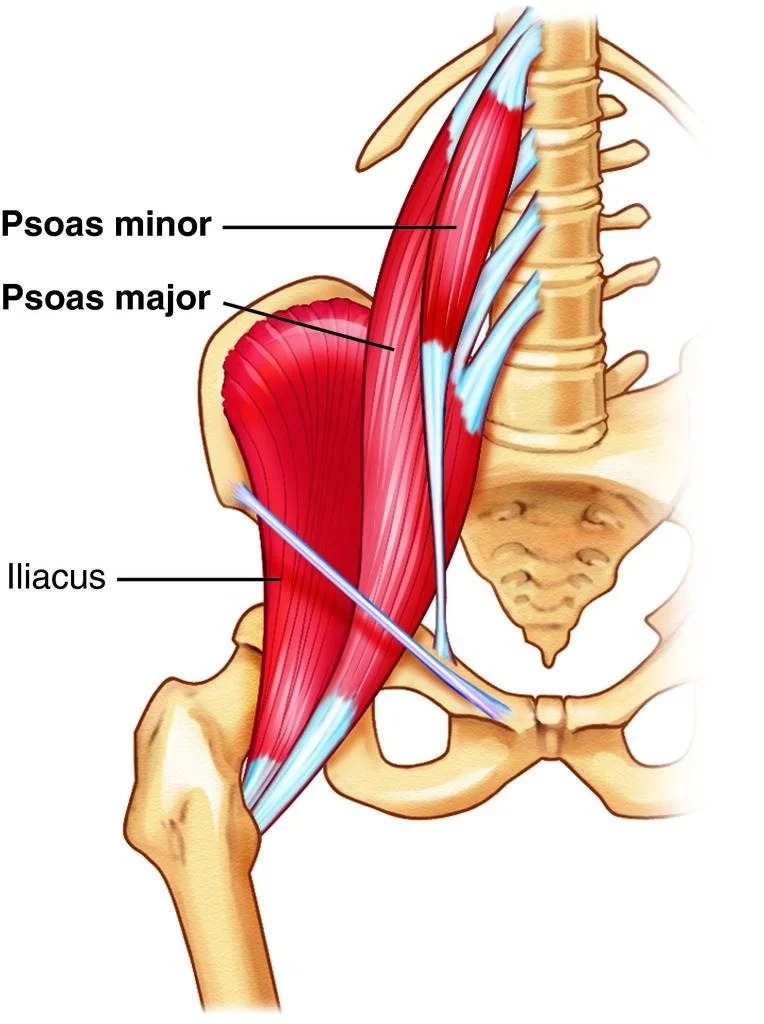
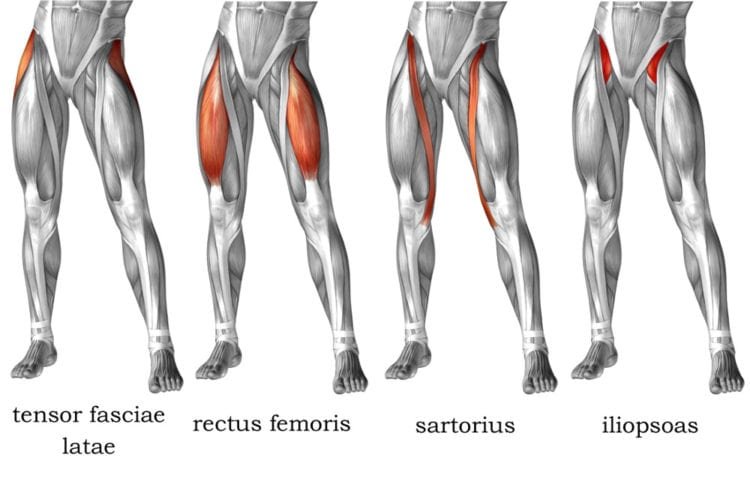
HIP FLEXORS (PART OF THE CORE SYSTEM)
Any muscle connected to the hips is considered part of the core.
Hip flexors are unavoidable in core work because they connect the spine and pelvis and are responsible for movements like:
lifting the legs
walking
bringing the knee toward the chest
They cannot be turned off, but they can be managed.
MANAGING HIP FLEXOR DOMINANCE
Hip flexors often take over when:
clients move too fast
the spine is overly arched
the pelvis tips forward
clients sit frequently outside of class
Your job is not to eliminate hip flexors—it’s to redistribute the work.
Coaching strategies:
Cue a posterior pelvic tilt
“Tuck the tailbone.”
“Round the lower spine into the carriage.”
Cue glute engagement
“Squeeze the glutes.”
“Press the heels away.”
Slow the tempo to reduce momentum
Reinforce breath:
Exhale during exertion to support core engagement
When coached correctly, the abs do more work and hip flexors assist instead of dominate.
THE STANDARD
Core work in REFORM must:
prioritize spinal position over reps
emphasize slow, controlled movement
include breathwork
and actively manage hip flexor dominance
Clients should leave core work feeling:
deep fatigue
control
connection
—not lower back strain or hip flexor cramping.
CENTER CORE — INSTRUCTOR RUBRIC
Score each category 1–5
(1 = missing | 3 = inconsistent | 5 = clear + effective)
1) Anatomical Accuracy ____/5
Instructor correctly identifies and explains rectus abdominis, transverse abdominis, and hip flexors.
2) Stabilization Cueing ____/5
Instructor clearly cues upper vs. lower body stabilization to shift where the work is felt.
3) Hip Flexor Management ____/5
Instructor actively cues posterior pelvic tilt, glute engagement, and breath to reduce hip flexor dominance.
4) Tempo & Control ____/5
Movements are coached slow enough to maintain tension and prevent momentum.
5) Breath Integration ____/5
Instructor cues inhale/exhale patterns that support core engagement and spinal control.
6) Client Outcomes ____/5
Clients appear stable, controlled, and fatigued in the core—without compensating through neck, hips, or lower back.
TOTAL: ____ /30
What was coached well:
What to improve next class: