human movement science and exercise
Kinesiology for Group Fitness
The first step is learning about the basics of kinesiology, or the study of movement. Understanding some of the basics of the structure and function of the human body will allow you keep your participants moving safely and help you write well-balanced programs. Grasping the basics of anatomy will help you recognize what the proper form is for each exercise and provide you with options for every level of exerciser. Being comfortable with this science will prepare you to answer questions from participants such as “What muscle group does this work?” or “Where should I feel this?” The next section provides an overview of how you can objectively analyze movement and design exercise programs for real results.
Planes of Motion
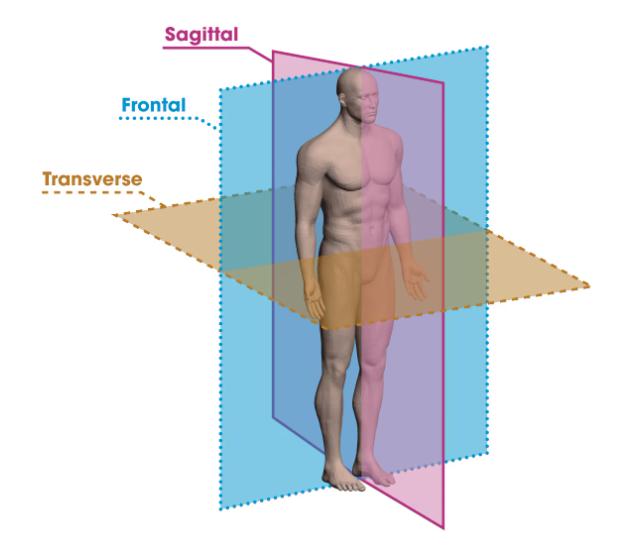
The planes of motion can be used to understand how the body is moving and aid in analyzing movement (Figure 5.1). Movement occurs in three cardinal planes, with each plane dividing the body into two halves in a specific direction. In reality, many activities and movements take place in multiple planes simultaneously, but becoming familiar with the individual planes can help you write workouts that match your participants’ needs. A common understanding of standard terminology will also help you communicate with other fitness professionals. Because everyday movement occurs in all three planes of motion, you want to make sure that you are giving your participants exercises for all three planes of movement. This well-rounded approach will aid in reducing the risk of injury while also enhancing activities of daily living. This will help you choose exercises that isolate or target goal-related body parts.
The sagittal plane divides the body into right and left halves. Imagine that there is a sheet of glass that runs down the center of the body, dividing the body into left and right sides. You can move the arm straight forward or back without breaking this sheet of glass.
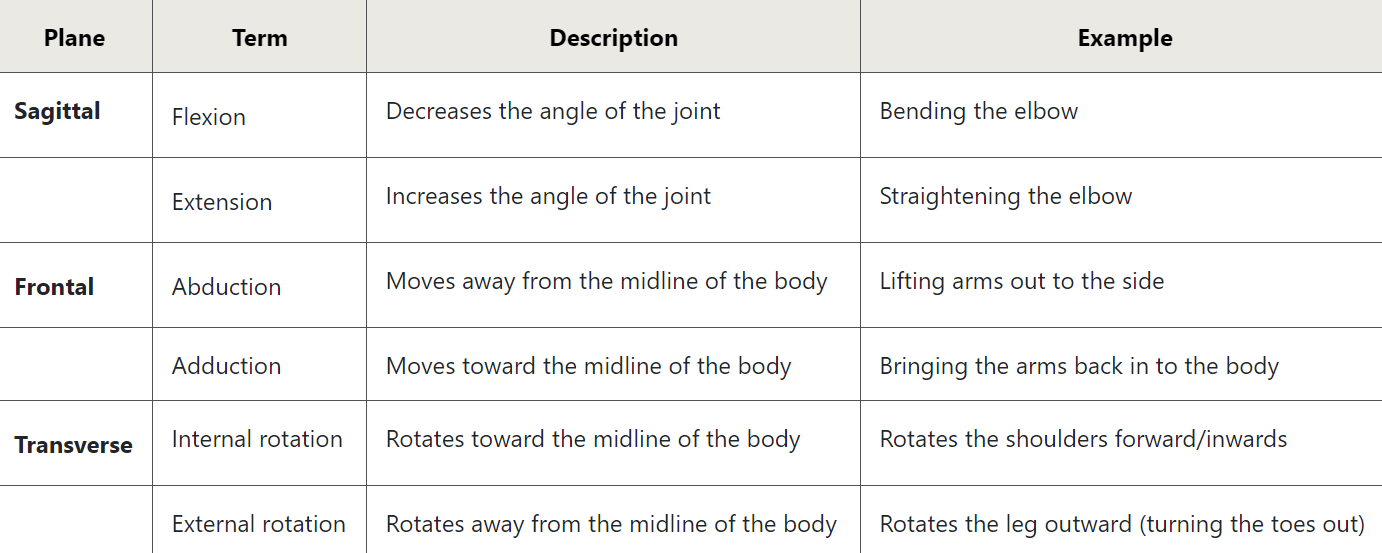
All movements in the sagittal plane run parallel to this sheet of glass. The movements that occur in the sagittal plane move forward and backward and they include flexion and extension. For example, knee flexion, or bending the knee, is a sagittal plane movement.
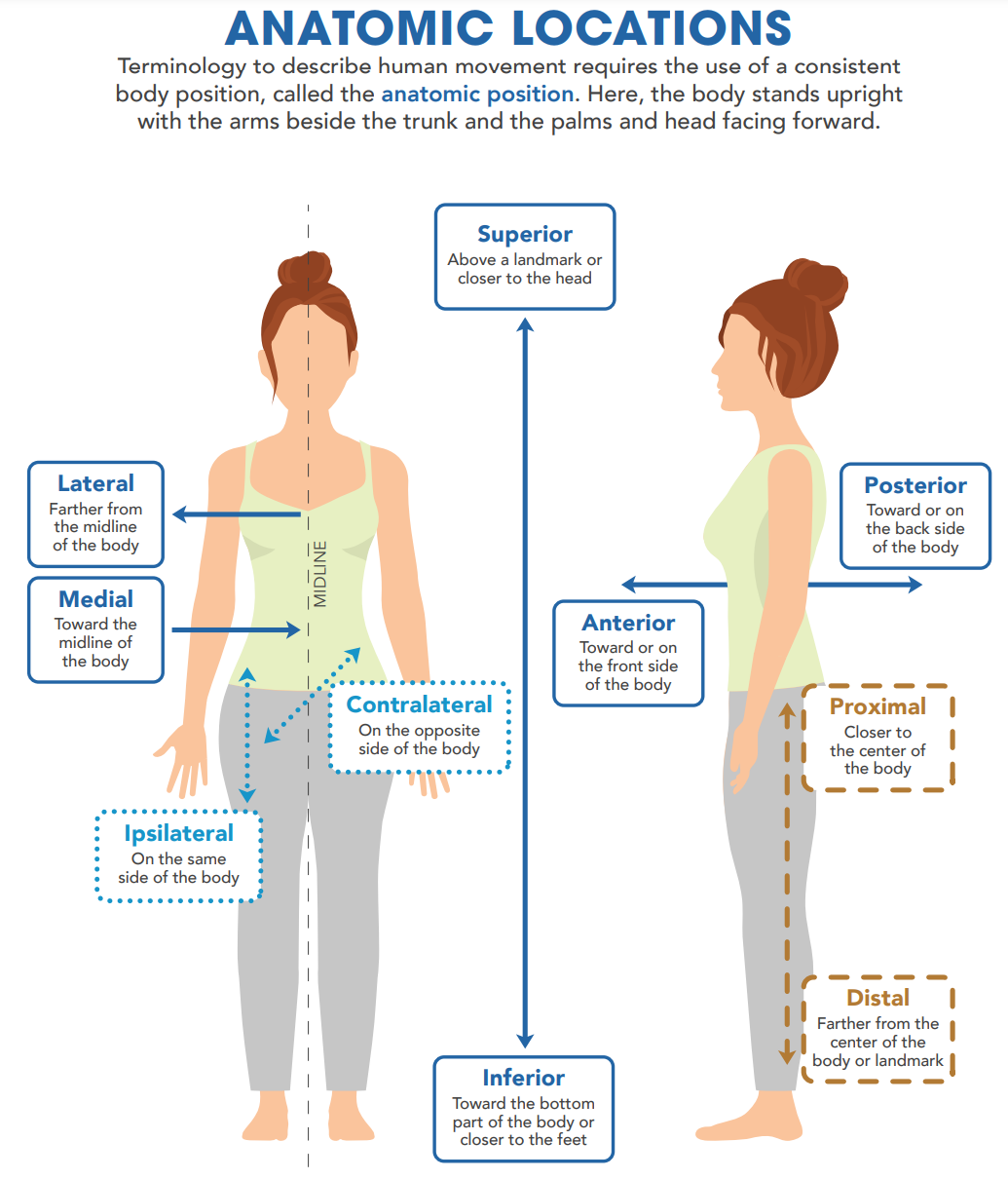
The frontal plane divides the body into front and back (anterior and posterior) halves. In this example, the sheet of glass would run from right to left and divide the front and back of the body. Movements that occur in the frontal plane are side to side and usually include abduction, adduction, and lateral flexion of the spine. A great example of a frontal plane movement is a jumping jack.
The transverse plane divides the body into top and bottom (superior and inferior) halves. The sheet of glass would be horizontal in the transverse plane. Movements that take place in the transverse plane include any type of rotation, internal/external rotation, horizontal adduction/abduction, pronation, and supination. A good example of a transverse plane movement is to turn the head to look over the shoulder. The transverse plane is also often referred to as the horizontal plane.
Kinetic Chain Checkpoints
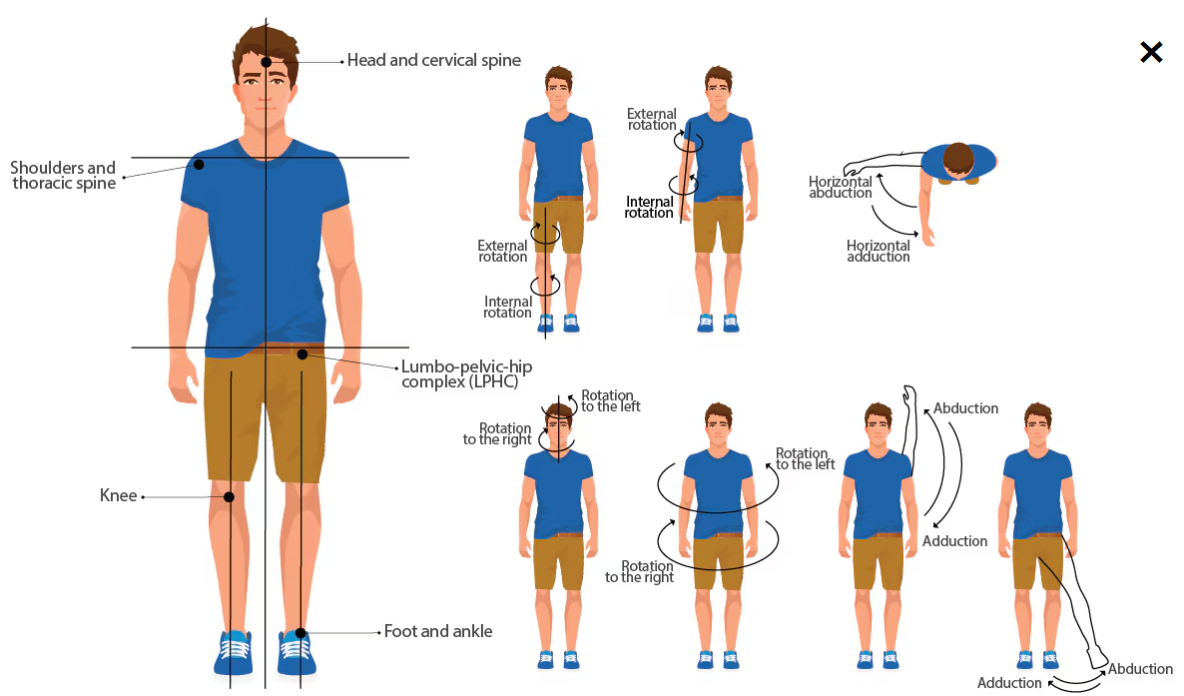
Although it is useful to learn about the human body by observing individual joints and muscles, in reality human movement typically occurs as a more fluid, multi-joint, multi-planar series of events. What happens at one joint can and will affect the joints that are above and below it. The kinetic chain is a concept that comes from engineering that compares the segments of the human body to the links in a chain. When one link in the chain moves, it will affect the position and the amount of tension on nearby segments. Kinetic refers to the force that is transferred from one portion of the system to the other. When comparing this to the human body, this theory states that the function and position of one joint can affect the joint structures above and below it. If one muscle group is overly tight, out of alignment, or not functioning properly, it will affect the joint structures above and below it, often leading to pain and dysfunction. Instead of trying to analyze every single joint angle on a participant’s body, watching five key areas is the simplest way to assess movement quality. Five basic kinetic chain checkpoints (Figure 5.3) can be observed to assist the fitness professional with observing and correcting movement patterns:
Foot and ankle
Knee
Lumbo-pelvic-hip (LPHC) complex (i.e., lower back and hips)
Shoulders and thoracic spine (i.e., shoulders and mid/upper back)
Head and cervical spine (i.e., head and neck)
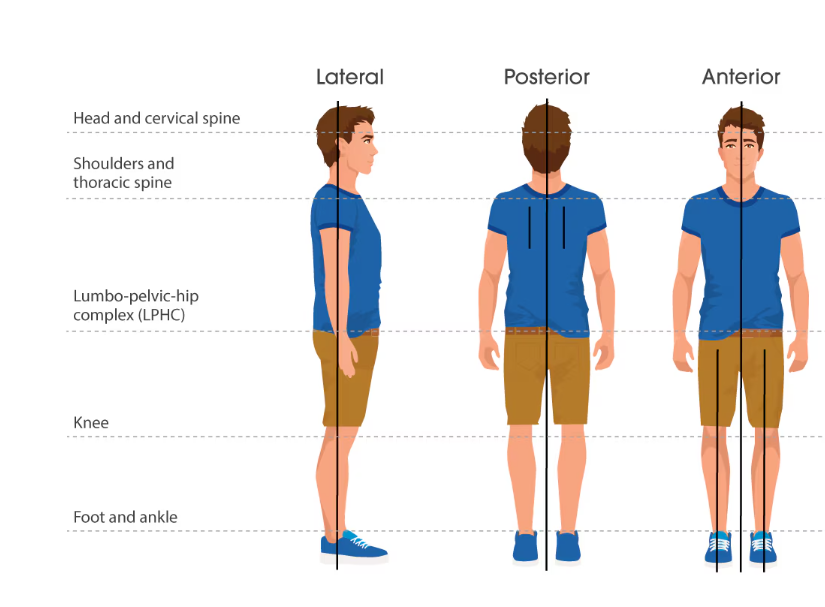
It is important to be familiar with these kinetic chain checkpoints so that you can recognize correct form during workouts and give feedback to participants. Proper alignment and control of movement requires a balance of flexibility and strength between the muscles that are working together. The kinetic chain allows the movement to be looked at holistically and not limited to an isolated joint. This will help you to better serve your participants during movement and feel confident answering questions you may get in classes.
Basic Joint Motions
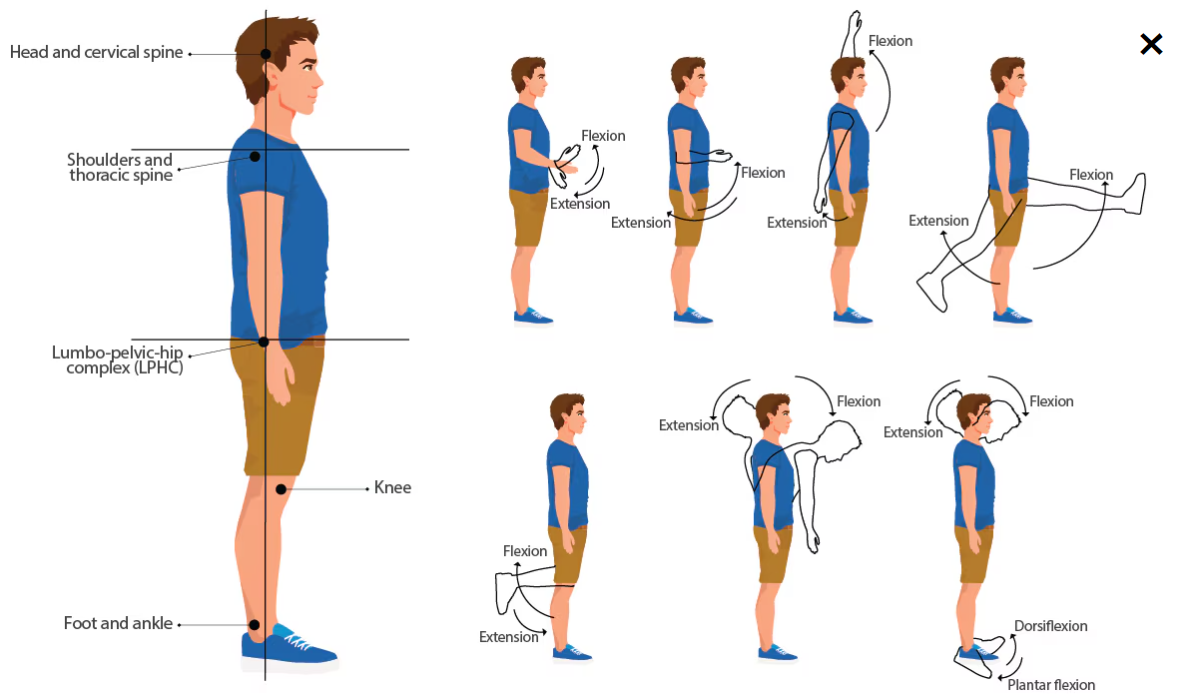
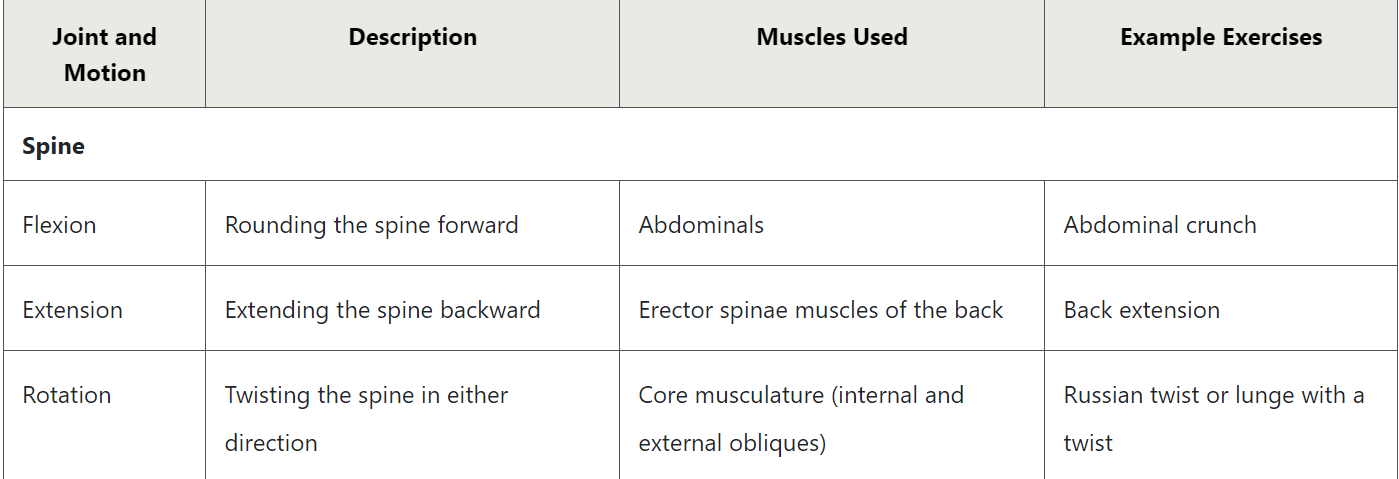
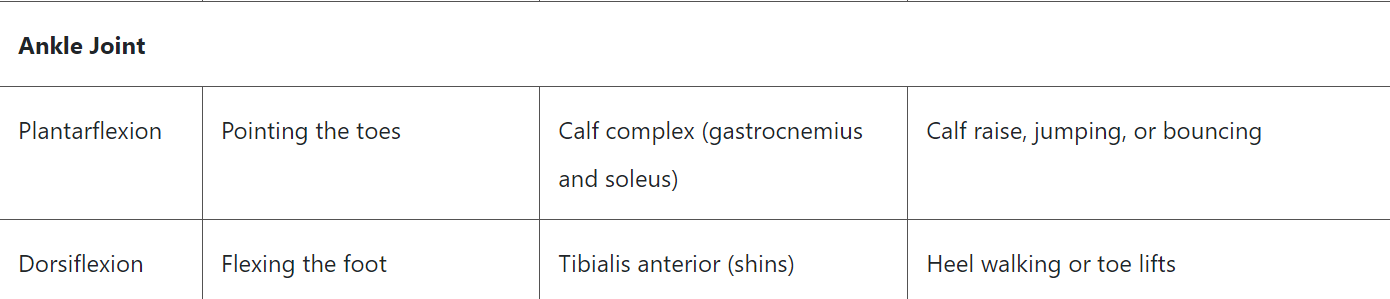
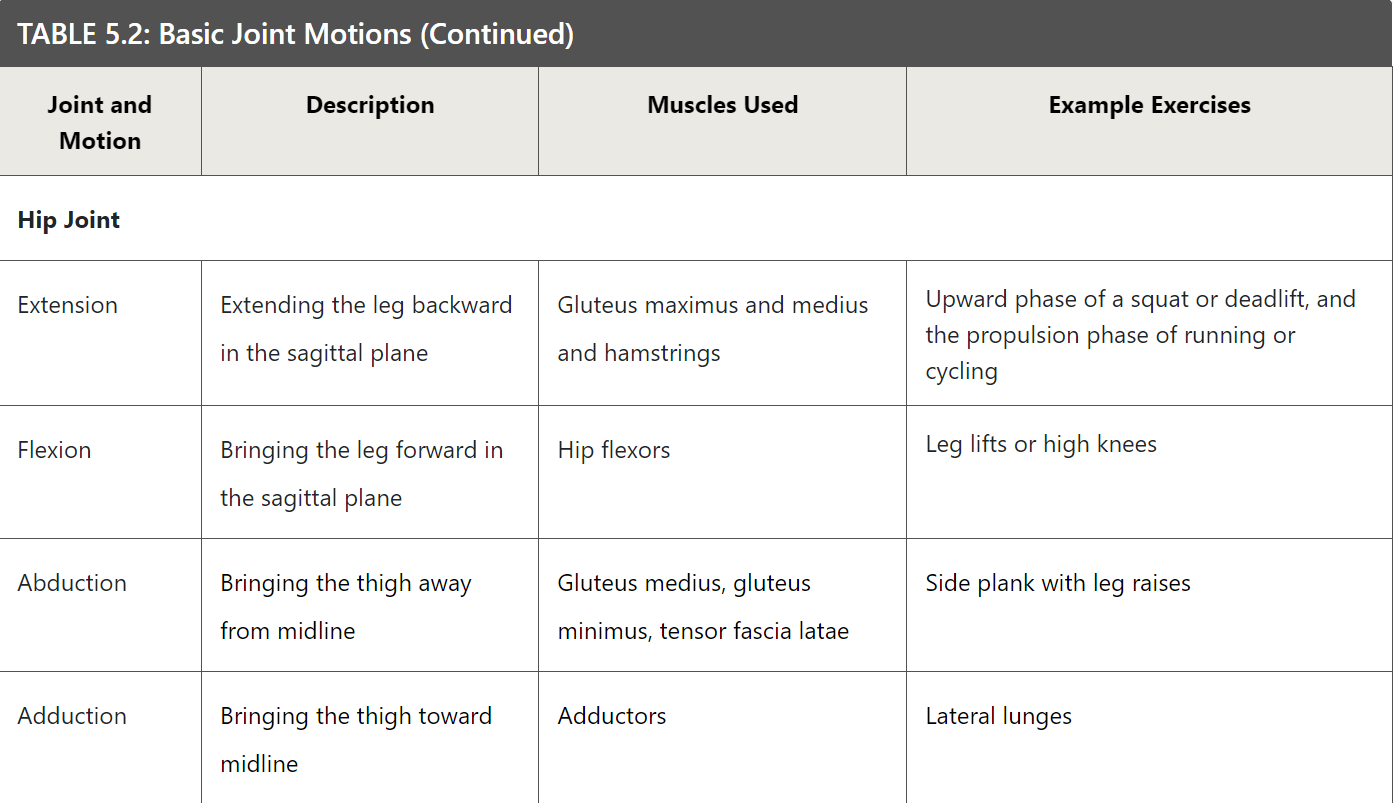
With this basic understanding of anatomical terminology, let us now look at some basic motions that happen at individual joints (Figures 5.4, 5.5, and Table 5.2). Joints are the portion of the skeletal system where two or more bones meet. Depending on the joint structure and the muscles that surround the joint, each joint will have varied function and mobility. Some joints, such as those in the skull, do not move and have limited function. Other joints provide a variety of movements that allow the human body to complete action in all three planes of movement. These are the joints that fitness professionals should know. For example, ball-and-socket joints such as the shoulder allow the arm to move in all three planes. This mobility helps the body to perform several tasks that require a large range of motion, such as throwing, pulling, pushing, lifting, and holding.
Once again, note that understanding these basic joint motions will help you plan effective classes. It is important to understand the role of balance between muscle groups and movement. For every flexion you want an extension, and so on. For this reason, you need to understand these basic joint motions.
Muscular System
The human body has more than 600 muscles of three primary types: smooth, cardiac, and skeletal. Group Fitness Instructors should have adequate knowledge and understanding of the larger muscle groups so that they can help others improve their strength and endurance. Muscles are responsible for producing force to create movement, maintain posture, and provide stability for activities of daily living, exercise, and physical performance. The muscles function in conjunction with the somatic nervous system that helps control and refine all of the body’s actions.
Muscle Action Spectrum
When muscles contract, they develop internal tension to manage an external force. Muscle actions describe the direction of that tension as muscles move with or against the source of resistance. In most cases, this is gravity (as with body weight, dumbbells, kettlebells, weight stacks, medicine balls, etc.), but occasionally elastic resistance tools such as tubing or bands can be used to create a specific direction for resistance. Your understanding of muscle actions will help you communicate with other professionals about your programming variables and the different portions of an exercise. Most important, it can help you understand how muscles are working during the phases of any exercise.
The three types of muscle actions that are most relevant to group fitness are concentric, eccentric, and isometric muscle actions. A description of each follows:
Concentric muscle action is when the muscles contract and shorten. This is what is visible during the upward phase of a bicep curl, for example. It is also associated with the acceleration of movement such as the upward portion of a jump.
Eccentric muscle action is when the muscles lengthen when controlling or lowering resistance. The controlled downward phase of a bicep curl illustrates this. Keep in mind that as a muscle lengthens back out, the muscle proteins are still doing work! They are controlling the muscle as it returns to its resting length. It is also associated with the deceleration of movement such as the landing phase of a jump.
Isometric muscle action occurs when tension is being produced but there is no change in the muscle length. For example, the postural muscles of the trunk work isometrically to keep you upright during a standing bicep curl.
Muscle Organization
Our muscles are constantly working throughout the day. Even now, the muscles in your body are maintaining your posture, moving your eyes, and helping you turn the pages or scroll down a screen. The unique structure of muscle allows it to function like no other tissue in the body.
In some ways, a muscle cell is much like the other cells in the body, with a cell membrane, nuclei, specialized organelles, and cytoplasm. A skeletal muscle cell is also called a muscle fiber. These cells are multi-nucleated (i.e., have more than one nucleus) and have a threadlike appearance. What makes muscles special is that they are made up of long, thin proteins that are organized together in bundles that run parallel to each other and are surrounded by connective tissue. This allows the muscles to all work together when needed and gives our muscles properties that allow for movement.
The smallest functional unit of a muscle is the sarcomere (Figure 5.8). These are made up of long proteins called actin and myosin. When the muscle receives a signal from the nervous system to contract, these two proteins interact to produce movement. The thicker myosin filaments attach to the thinner actin filaments and pull them close to the center of the sarcomere. This causes the muscle to shorten in length, producing the muscle contraction (shortening) visible with any movement. Each individual muscle cell has several sarcomeres arranged end to end for the length of the fiber. These work together when a muscle is stimulated by the nervous system.
The sheer number of muscles and the endless options for human movement might seem overwhelming to you. As a Group Fitness Instructor, you should have basic knowledge of the primary muscles used for exercise and activity so that you can plan your programs with an understanding of what muscles you will be training with each exercise and movement. The primary movers of movement are referred to as the agonists. Here are some examples: the biceps brachii is the agonist for a bicep curl, the pectoralis muscles are the agonists for a push-up, and the quadriceps are the agonists in a squat. The more you understand these agonists and how they function, the better you will be at designing unique and effective programs for your class.
The muscles on the opposing side of the joint of movement are the antagonists and this group of muscles must relax (lengthen) to allow the agonist to contract (shorten).
Anatomy
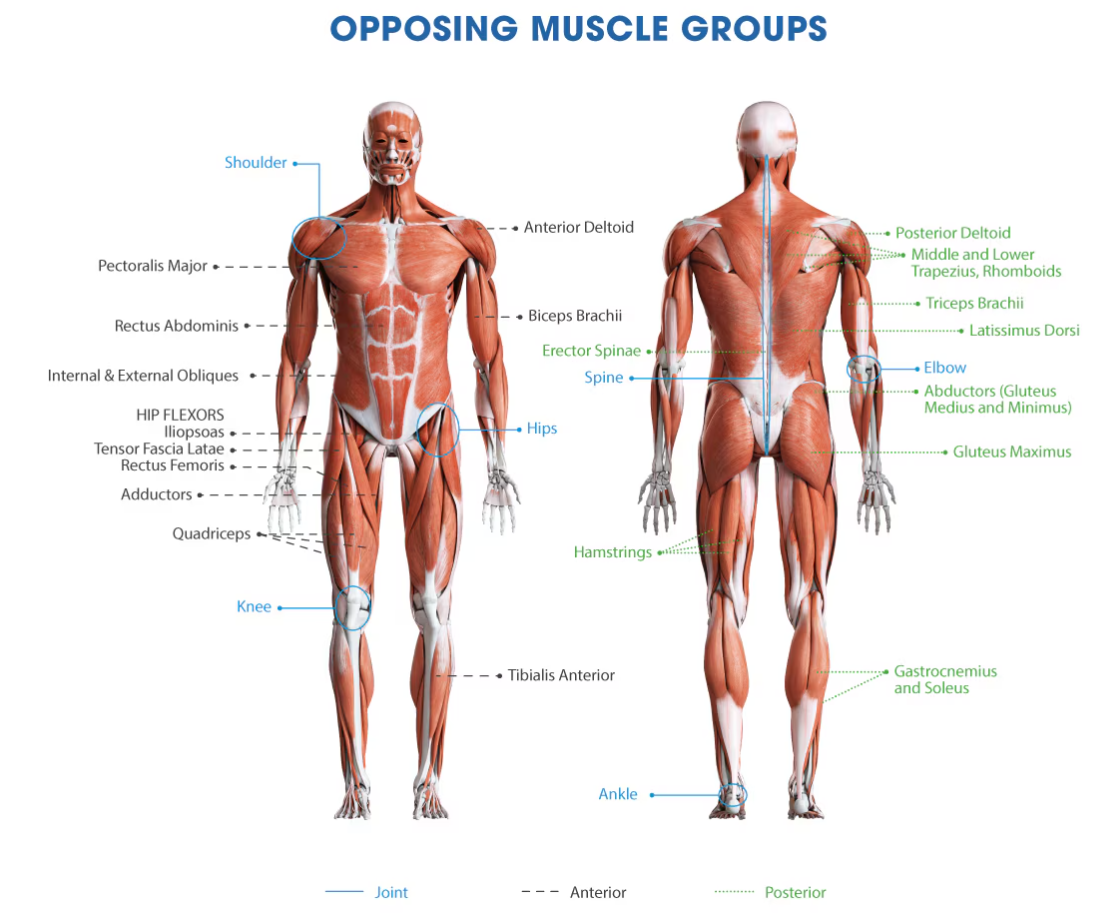
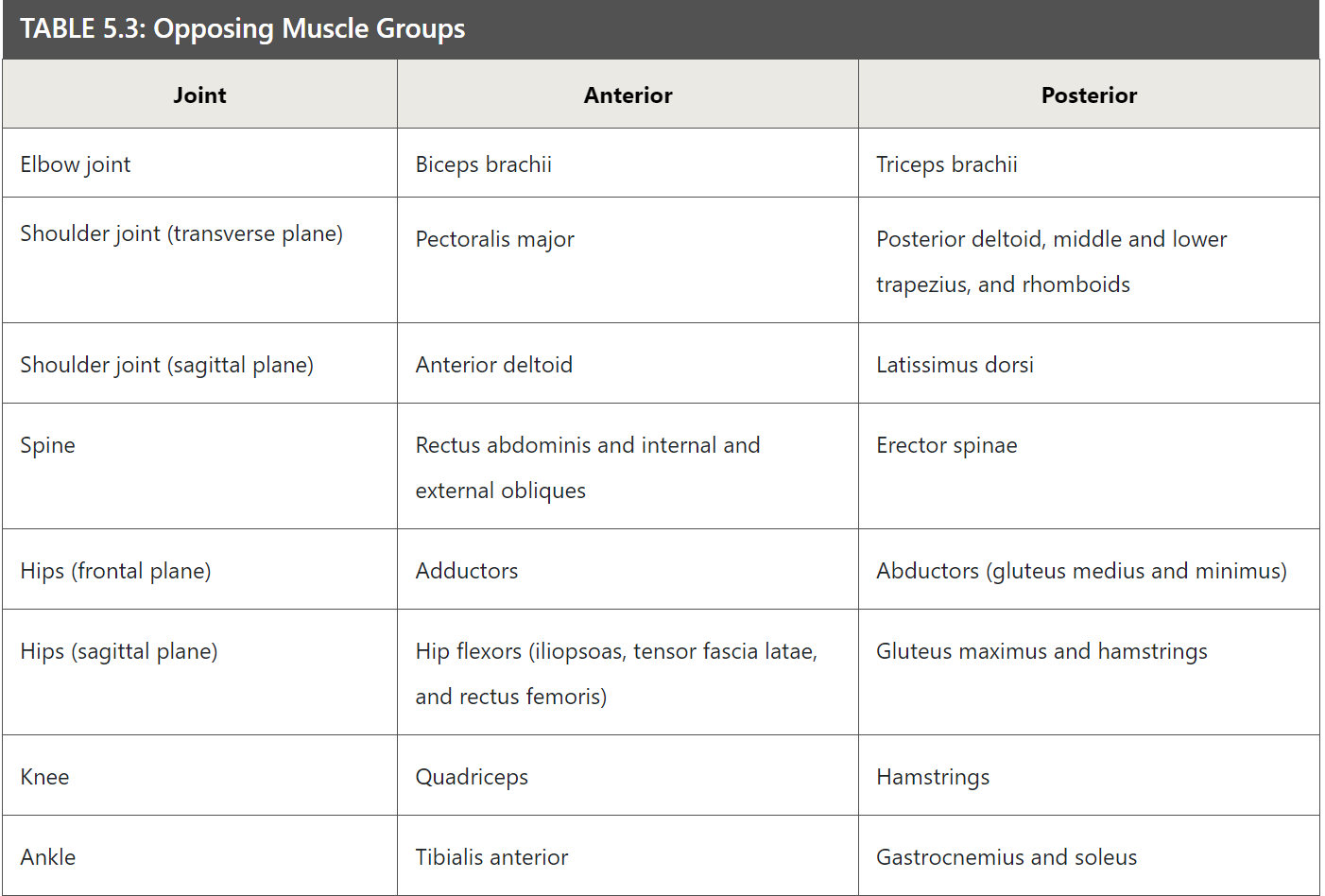
Anatomy is the study of the various structures in the body, including muscles. Functional anatomy is the study of not only where the muscles are structurally, but how they work synergistically to create movement and produce, reduce, or stabilize forces in the body. Becoming more familiar with the structure and function of muscles, bones, and joints will help you develop effective and results-driven programming. If you understand how the body produces movement and how it handles external and internal forces, you can plan safe workouts that improve strength, endurance, or performance. You can also effectively target muscle groups as indicated by your exercise format. It is important to understand muscle anatomy, and in particular how muscles on either side of a joint work together (i.e., opposing muscle groups). This will help you design programs that encourage muscle balance, reduce injury risk, and set the stage for long-term participation in physical activity (Figure 5.9 and Table 5.3). Keep in mind that an ideal program will have equivalent demands placed on both sides of a joint over time (it does not always have to be in that same workout). Avoid focusing on the mirror muscles on the anterior side of the body and neglecting the posterior side of the body, which would result in poor posture, compromised movement quality, and increased risk for overuse injuries.
Although a myriad of movement problems can develop, there are some patterns that are common in the general population.
The opposing muscle pairs shown in Table 5.3 work as agonist–antagonist pairs. This means that as a group of muscles contract and shorten on one side of a joint, their opposing muscles relax and lengthen in synergy to allow fluid movement. It is common for some muscle groups to be consistently tight and shortened. For example, our hip flexors are often shortened because we sit so much. This chronic overactivation and shortening is paired with chronic underactivity and lengthening of the primary opposing muscle group, the gluteus maximus. This is referred to as a muscle imbalance.
Because certain muscle groups are more likely to be tight, overactive, and shortened, you should strive to include some targeted stretches for these muscles. Stretching helps to reduce the activity of and calm overactive muscles. The following muscles are commonly tight, overactive, and shortened:
Calves (gastrocnemius and soleus)
Hip flexors (iliopsoas, tensor fascia latae, and rectus femoris)
Anterior trunk and shoulder (pectoralis major, pectoralis minor, and anterior deltoid)
Muscles on the other side of those joints may be lengthened and underactive. These will benefit from isolated strengthening exercises to improve activation of underactive muscles. Common examples of such muscles include the following:
Gluteus maximus and medius
Upper and mid-back (middle and lower trapezius, rhomboids, and posterior deltoid)
The Human Movement System
Group Fitness Instructors are tasked with designing programs that engage participants and provide results. The body is able to accomplish a variety of tasks based on the coordinated efforts of the nervous, muscular, and skeletal systems (Figure 5.6). Because these systems work together, we are able to complete familiar activities without much thought or effort, and we are able to learn new, unfamiliar activities. This section provides a brief overview of the essential systems that make up the neuromuscular system, allowing you to design classes with movement science in mind.
Nervous System
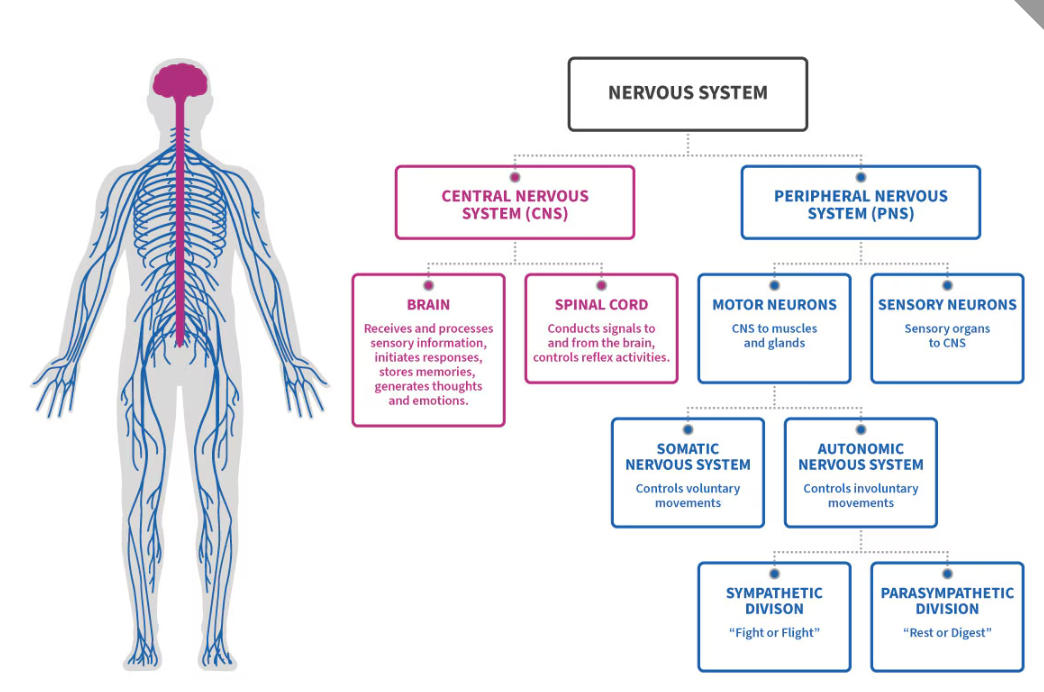
The nervous system (the brain, spinal cord, and nerves) controls, regulates, and directs everything the body does, from seemingly simple tasks such as walking, to coordinated sports performance, and everything in between (Figure 5.7). The central nervous system (CNS) is made up of the brain, or control center, and the spinal cord, which functions as the brain’s primary transmitter. The CNS gathers information from the neurons in the body, processes and integrates that information, makes a decision as to the best course of action, and then communicates this action to the proper neuron or gland.
The peripheral nervous system (PNS) is composed of all the neurons outside of the CNS, such as sensory neurons and motor neurons. Sensory neurons communicate what is happening in the body and in the environment to the CNS. Sensory neurons are in every muscle and joint in the body. Motor neurons control the muscles needed for movement. The CNS and the PNS are in constant communication to coordinate movement. When we first learn new movements or exercises, the CNS is responsible for adjusting and refining the movements to find proper mechanics. The PNS provides several inputs to the brain about movement, the environment, and our sensations. The CNS then analyzes all that information while at the same time controlling the human movement system. Because of this, the nervous system can be trained through exercise by practicing proper movement patterns until become more automatic. The PNS is critical for providing the feedback to the CNS during this process. You can see participants working through this process as they learn new exercises and moves. At this point, form and technique cues can really make a difference and help participants to develop proper movement patterns. This is also a good reminder to program enough repetition of movements to allow participants to master each move before moving forward.
Neuromuscular Control and Motor Learning
A simplified way to think about motor learning and acquiring new motor patterns is that the human movement system will get better at what it repeatedly does. The important thing to remember is that we will get better at something whether we perform it with good technique or poor technique. For example, if we repeatedly perform lunges with poor technique, we will get good at doing lunges with poor technique! This underscores the importance of coaching, feedback, and cueing to encourage participants’ proper form during movement.
Have you ever noticed when learning a new exercise that it sometimes feels awkward and uncomfortable? When we are first learning an exercise, there is a lot of work being done to refine the movement. The CNS and the PNS are constantly working together to find the proper sequence of muscle firing to coordinate a movement. As we become better at that exercise, the CNS does not have to work as much as our motor neurons learn.
You will notice this in your classes as your participants get better with repetition. Keep this in mind when it comes to programming. New is not always better! If you keep some of the main exercises/moves the same, it will give your participants the opportunity to master the move. This will allow them to focus on increasing intensity instead of always working to learn a new move. This is what results-based programming is all about!
Mechanoreceptors
Mechanoreceptors are an important component of the PNS. They give the CNS information about what is happening inside the body. The three most important types of mechanoreceptors in relation to exercise are the muscle spindles, Golgi tendon organs, and joint receptors. The mechanoreceptors play a role in proprioception, which is our sense of where our limbs are in space. Proprioception helps people learn new motor skills and refine execution of movements (Moore, 2007). You can use your understanding of mechanoreceptors when setting guidelines for static stretching and other flexibility programs. For example, the recommendation to hold a static stretch 30 seconds is because that is the approximate amount of time needed for mechanoreceptors to respond, allowing the muscle to relax and improving range of motion.
Muscle spindles help protect the muscles by monitoring the length of the muscle fibers. Their job is to detect how quickly muscle fiber length changes. If they detect that the muscle is lengthening too quickly, they will relay this information to the CNS, resulting in the muscle contracting to prevent itself from tearing. Have you ever fallen asleep in class or at work? Your head falls forward as you doze off and the muscles in the back of the neck are lengthened at an alarming rate for the muscle spindles. As a result, they send an impulse to the CNS, which tells those same muscles to contract and your head snaps back up, hopefully before anyone around you has noticed! The muscle spindles also help in exercise classes. When jumping, you will naturally do a quick countermovement (like a quarter squat) before leaving the ground. This move stretches the muscle spindle and results in an automatic muscle contraction that aids in the power produced for the jumping movement. If you were to jump without a countermove, your jump would not be nearly as high. Put simply, muscle spindles protect the muscles and also play a part in their elasticity.
The Golgi tendon organs (GTOs) are located in the tendons that connect muscles to bones. The purpose of this mechanoreceptor is to sense how much tension is developed in the junction between the muscles and tendons at any given time. When too much tension is produced or develops too fast, the GTOs will cause the muscle to relax as a safety response.
Autonomic Nervous System
The PNS is further divided into the somatic and autonomic nervous systems. The somatic nervous system controls voluntary actions, whereas the autonomic nervous system controls involuntary actions, such as digestion, heart rate, and breathing. The movements in an exercise program will involve the somatic nervous system. The autonomic nervous system will also be hard at work to adapt to the demands placed on the cardiorespiratory, skeletal, muscular, and other physiological systems of the body.
Sympathetic Nervous System
The sympathetic nervous system is the portion of the nervous system that activates the body’s fight-or-flight response in response to a stressor.
During a group exercise class, participants will experience increases in heart rate, breathing rate, and blood flow to the muscles and a decrease in non-essential functions such as digestion. The sympathetic nervous system helps to prime the body for activity and adapts as necessary to the demands of the workout.
VectorMine/Shutterstock.com
Parasympathetic Nervous System
The parasympathetic nervous system helps the body return to a resting state following an increase in stress. These responses reverse all the changes from the fight-or-flight response and shifts the body into "rest and digest." Using intentional and slow breathing is one way to enhance the function of the parasympathetic nervous system and allow the body to return back to a resting state.
Getting Technical
The Nervous System in Group Exercise Programming
The movement prep (warm-up) allows the sympathetic nervous system to have time to adapt and prepare the body for more vigorous movement.
The transition (cool-down) will help increase the activity of the parasympathetic nervous system and allow participants to return closer to a resting level before leaving class. This is important because it prevents blood from pooling in the extremities and decreases the risk of cardiovascular events. Encourage participants to stay to get the benefits of the cool-down and do not forget to include this important component in your workout design!
Muscle Fiber Types
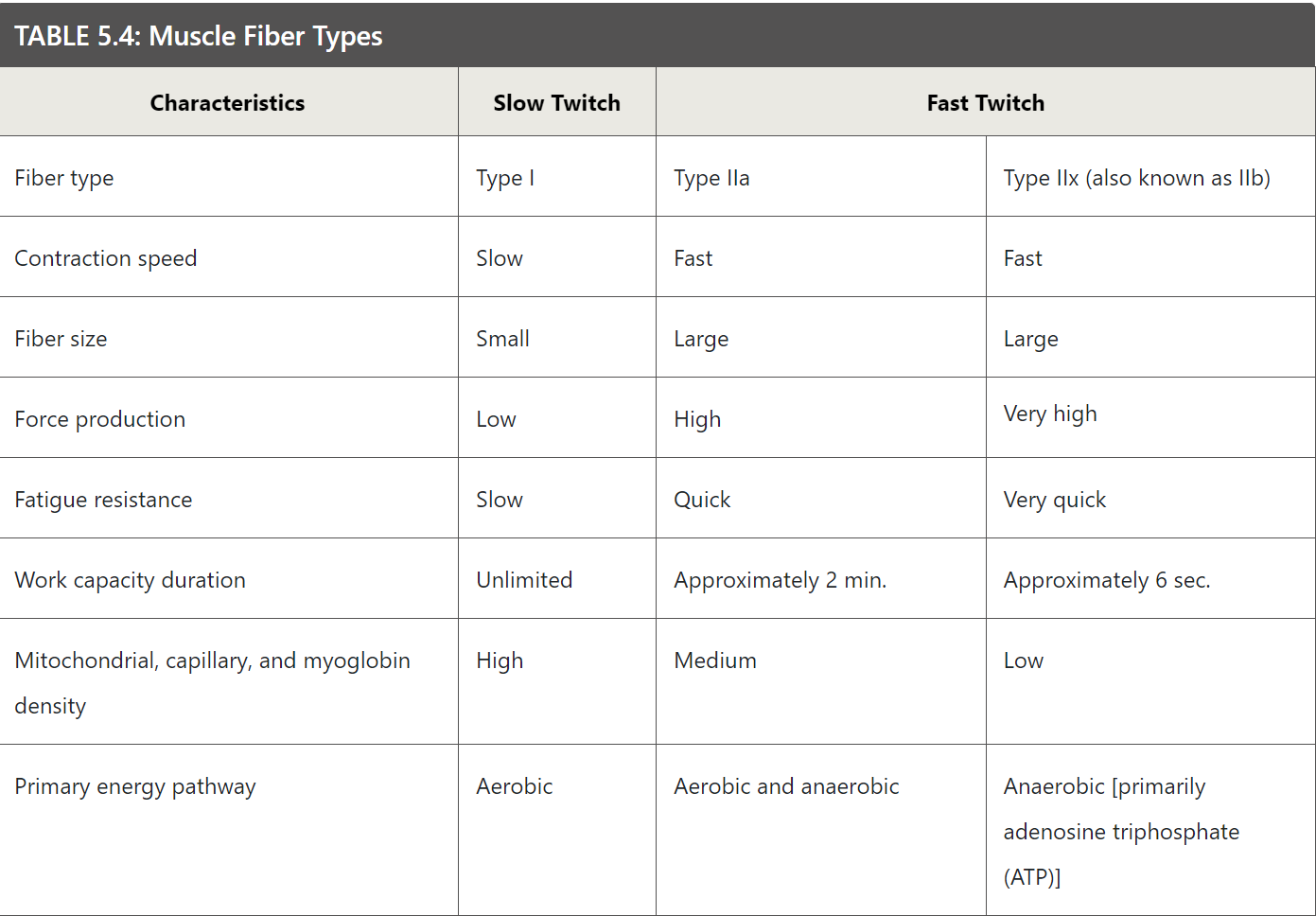
The two primary muscle fiber types—slow-twitch (Type I) and fast-twitch (Type II) muscle fibers—are differentiated by their function and work capacity (Table 5.4). The term twitch refers to how quickly a muscle contracts when stimulated by the nervous system. All muscular contractions are fast by objective standards, but Type I fibers have a slower contraction speed compared to Type II fibers. No single muscle is Type I or Type II; every muscle is a mix of both fiber types. Although the proportion of muscle fiber types is largely determined at birth (you are born with a unique blend of both), most of your class participants will have roughly a 50/50 mix (Costill, et al., 1976).
Note that muscle fibers are very trainable. Certain fibers, with the right training demands, can lean toward one end of the spectrum over the other. This is how high-performing athletes can train their bodies to the point that it looks as if they were made for their sport. For example, think of the muscular composition of a fast-twitch–dominant sprinter versus a slow-twitch–dominant marathon runner. The sprinters generally carry more muscle mass than the marathon runners. This is because when Type II fibers grow larger in diameter (i.e., hypertrophy), they do so to a greater degree than Type I fibers. Indeed, training can change muscles in several ways depending on the type of activity performed. What this means to you as an instructor is that you will now have an increased awareness of how the physical demands in your class directly affect the way your participants’ bodies adapt. Considering specific fiber-type characteristics will allow you to design programs that induce the specific changes that you desire from an exercise program. Is the goal to get stronger, bigger, or build endurance? Each fiber type confers different benefits to each goal.
An individual’s ability to tolerate or excel at different sports and activities is related to their genetically determined muscle fiber–type distribution and how they train. Genetics plays a role in the types of activities our bodies naturally gravitate toward, but training variables will greatly affect how muscles respond to different types of activity. Remember the principle of specificity: how you train will determine how the muscles will adapt. In the group fitness context, think of programs as increasing the efficiency and work capacity of particular fiber types, not necessarily transforming one to another. Muscles will change the enzymes that are responsible for energy production. The following are common changes seen due training:
Check It Out
Type IIa fibers are also known as intermediate muscle fibers because they are a mix of Type I and Type IIx fibers. They can use both aerobic and anaerobic energy pathways.
Resistance training: Increase in strength, power, rate of force production, and hypertrophy
Aerobic training: Increase in ability to produce energy aerobically (increases in mitochondria, capillary density, and key metabolic enzymes used for energy production)
Cardiovascular and Respiratory Systems
Most group fitness classes will result in an increase in the eustress response from the sympathetic nervous system. Remember that this is the fight-or-flight system that results in increased heart rate, breathing rate, and blood pressure, among other changes. Because exercise and physical activity result in increased demand for oxygen and energy in the working muscles, the cardiovascular and respiratory systems must work hard to meet those needs. The cardiovascular and respiratory systems are critical for transporting oxygen, nutrients, and other important substances to the tissues in the body as needed (Figure 5.11 and Table 5.5). Both systems are activated in a group fitness class as heart and breathing rates increase to meet the increased needs of muscles during movement.
The cardiovascular and respiratory systems often are collectively referred to as the cardiorespiratory system to reflect their coordinated function. The autonomic nervous system is in control of breathing and heart rate and will adjust both as intensity changes. With regular physical activity and exercise, both of these systems will adapt in several ways to make movement more efficient and familiar.
Cardiac Output
The average number of times the heart beats per minute is known as the heart rate (HR), and the average resting heart rate is 70–80 beats per minute (BPM) (Brooks et al., 2004). The amount of blood pumped by the heart with each contraction is referred to as stroke volume (SV). The SV multiplied by the HR, or the total volume of blood pumped out of the heart per minute, is called the cardiac output (Q̇).
SV × HR = Q̇
In group fitness classes, you can assist your participants in determining the appropriate intensity that will help them improve their health and fitness. Heart rate is one method you can use. These specific variables will be covered in more detail in subsequent content. As a fitness professional, it is important to know that an improvement in stroke volume is just one of the many positive physiological adaptations your participants will experience.
Training Principles
No matter what format of group fitness is being taught, training outcomes can be maximized by using sound training principles when designing classes. These basic training principles will help you plan and structure a more deliberate workout.
As a starting point, you must understand that a degree of overload is required to create change. Recall that exercise is a form of eustress on the body, and fitness professionals are, essentially, “stress and recovery designers.” The merging of training science, workout design, and instructor engagement benefits participants. Without science, fitness professionals would have to randomly apply stress to find proper fitness adaptations and progressions. Additionally, for specific adaptations to take place, there must be specific stimuli. In other words, to improve aerobic endurance, the training must be of appropriate intensity and duration to stimulate that adaptation.
If the primary goal is improved muscular strength, then that skill must be emphasized with appropriate resistance, rest, and repetitions. Both are excellent goals that contribute to well-rounded fitness, but it is helpful to understand that to best achieve them, they must be targeted with specificity and repetition. Again, although teaching a group fitness class to the general population should not be confused with training competitive athletes, the principles of training outlined in this chapter can be applied to support variety, balance, and better results (Table 6.1).
Adaptation
A well-planned, structured, and repeated training program will lead to long-term changes of physiology and structure. Each component of the human movement system will adapt and change in ways that are specific to the type of demands (e.g., exercise) performed. The principle of adaptation indicates that the body responds to various forms of eustress with improvements in function and performance (Fahey, 1998).
With every bout of exercise, the human movement system will have a number of short-term responses. Each system in the body will respond in unique ways to meet the demands of the exercise being done. These acute responses vary depending on the type of workout but can include the production of hormones, an increase in heart rate, damage to the cell membrane of the muscle cells, a change in muscle tension, and many others. When the body is exposed to these responses consistently it will begin to change to be better able to cope with the demands of exercise. Over time, these changes will result in adaptation (Hawley, 2002).
The idea of adaptation comes from research on the body’s immune system performed in the early 20th century by Dr. Hans Selye (1950). His research suggested that as the body is exposed to a stressor, such as the eustress of exercise, it will go through three distinct stages that allow for adaptation to occur. The stages of general adaptation syndrome are summarized in Figure 6.1 and Table 6.2.
Long-term exercise results in adaptations that change both the structure and the function of the human movement and cardiorespiratory systems.
Nervous System Adaptations
The nervous system works along with the muscular system to create movement. The long-term adaptations of the nervous system make movements more efficient. The nervous system becomes better able to stimulate force production by increasing neural drive, motor unit synchronization and recruitment, and it works with the muscular system to refine movements so that they become more coordinated (Del Vecchio et al., 2019). This improvement in neuromuscular control makes movement more automatic and fluid. Think about a toddler trying to learn how to walk. With early attempts, the child must work very hard to figure out how they can pick their feet up and move forward with a changing base of support. Over time, this movement becomes so natural that the child does not even think about it. This is a great example of adaptations in neuromuscular control.
The increases in strength that are evident in the early stages of exercise are largely from neural changes (Gabriel et al., 2006). Before significant increases in muscle mass occur, force production increases due to the nervous system’s ability to activate the agonist muscles.
Cardiorespiratory System Adaptations
A properly designed training program results in positive adaptation and improvement in the cardiovascular and respiratory systems. The type and degree of improvement varies greatly based on the particular program’s demands, but the heart and lungs generally become more efficient, resulting in an increase in aerobic endurance and power (Hellsten & Nyberg, 2015). As a result of these improvements, group fitness participants can see enhanced daily function and the capacity to perform activities of daily living (ADLs) without undue fatigue.
Muscular System Adaptations
The muscular system can adapt in several ways, depending on the type of exercise performed. Changes can include an increase in the cross-sectional area of the muscles, known as hypertrophy; an increase in force production; or an increase in muscular endurance (Hawley, 2002; Holtermann et al., 2007; Kraemer et al., 2004). Muscle fiber types (slow twitch or fast twitch) may change to better prepare the muscle for the type of training being performed.
Getting Technical
Researchers generally accept that training can change the properties of muscle fiber types within classifications, but not across classifications (Wilson et al., 2012). For example, training can influence the conversion of Type IIa to IIx, and vice versa. However, it has not been confirmed that training can convert between Type I and II muscle fibers.
Tendons and ligaments also increase in strength to better withstand the amount of force being transferred from the muscle to the bones (Kongsgaard et al., 2005). This all results in better muscular performance and improved physique.
Overload
The principle of overload has been recognized for many years as a necessary component to induce change and adaptation. For the body to recognize a need for improvement, the training stimulus must be adequate and the available recovery resources must support the necessary changes. This means that the body needs to be challenged to do more than it is accustomed to by assigning a workout that is greater in intensity and/or duration than usual. The level or threshold for change will depend on several individual factors, such as the individual’s current fitness level, age, health status, and genetics, as well as several social and psychological factors.
Overload can be applied by manipulating the various training variables, such as increasing the numbers of repetitions (or reps) and sets of an exercise, increasing resistance load, decreasing rest periods between efforts, increasing the frequency of training, and changing the type of exercise. In a group fitness class, this can be challenging because many of the participants will be at different levels. However, cueing, coaching, and exercise selections can be used in the group fitness class to help the participants understand how the right amount of challenge should feel.
Overload and recovery are important principles to understand as an instructor. The human body is very good at adapting if it is given sufficient reason. When the system is stressed with exercise (overloaded), it responds by becoming better able to handle that stress, which is how results are created. To get these results, however, it must also recover (Carmichael & Rutberg, 2012). Instructors should keep this in mind and coach participants to avoid going to their limit in every class, particularly over consecutive classes within a week. Eventually, there will be diminishing returns if their intensity is always high. Wise coaches will know which participants work too hard too often and will provide coaching that speaks to that. For example, if on the day following a very high-intensity workout, an instructor sees one or more of the same participants in their scheduled class and has another intense workout planned, their class welcome might include a statement such as, “if you were in class last night and really pushed yourself, take it a little easier today. When we perform the hard sets, avoid maxing out. You will be stronger for it next week!"
Progression
The principle of progression takes the concept of overload a step further and states that as the body adapts and changes in response to stress, the current level will no longer produce overload. At this point, the adaptations will decline or stop because the imposed demands no longer produce a sufficient stimulus to require change. To ensure continuous improvements, there must be an increase in the difficulty or demands of the activity (Rhea et al., 2003). Although most people think first of load or intensity to increase the challenge, progression can come from adjusting any of the acute program variables, such as altering the frequency of training, rest between bouts, the complexity of the movement, or the volume of training (Kraemer & Ratamess, 2004). Progression is a form of systematic overload that is gradual, evidence-based, and encourages the body to make incremental performance improvements over time. Using proper progression will ensure that your participants do not plateau or become bored with the workout, and it will reduce the likelihood of overtraining and the incidence of injury.
Although instructors in most class settings will not have the ability to truly progress all individuals at the same rate, they should coach participants to observe and apply these principles for themselves. Your goal is to help each participant understand how to progress and regress an exercise to find the right challenge level. Offering progression options throughout class is one way to do this, along with coaching participants on how they should be feeling throughout an exercise.
Progression for a group fitness participant might mean starting with attending class two times a week and working their way up to four times a week over the course of a few months. It might also mean cueing new participants to take longer recovery periods between exercise sets or intervals. A systematic approach for a new participant might be to stay for 30 minutes of a 60-minute class and add 5 minutes a week until they can do the whole class.
It might also mean telling the class that each week for a month the workout will feature progressively longer intervals at the same intensity. By applying the science of progression, even at its most basic level, instructors can help guide participants to the outcomes they are seeking.
Specificity
The principle of specificity states that the type of exercise stimulus will determine the expected physiological and structural outcomes. This is also referred to as the SAID (specific adaptation to imposed demands) principle. Although there is a training effect when considering general fitness and overall health, to improve the performance of a specific activity, the more similar the training is to the activity, the more beneficial the exercise will be (McCafferty & Horvath, 1977). For example, a participant who plays tennis would benefit from exercises that use rapid changes in direction or speed.
The principle of specificity means that if an individual is seeking a specific result, then they must train for it. In the case of group fitness, this means that if a person wants to improve one component of fitness, then they should focus on doing exercises that challenge those systems of the body. An instructor can support that process by sharing the benefits of each type of exercise or class and reminding participants that if they want to get better at it, then they will have to focus on it, even if it is not easy for them. In practice, it might sound something like this: “This next exercise is going to help improve your core muscular endurance. If you want to improve your endurance, then you want to make sure to really challenge yourself and hold as long as you can. When we push ourselves with this exercise, we will improve our core stability and keep our posture muscles strong!”
An important consideration of this training principle is that only the muscles that are trained will adapt, emphasizing the need to train all the muscles in the body and use multiple planes of motion (Kraemer et al., 2004). Each component of the human movement system will adapt to the demands in unique ways. Adaptations will include both structural (physical) changes and physiological (functional) changes. The body will adapt and respond to the specific biomechanics, neuromuscular recruitment, and metabolic pathway required by the activity (Coyle et al., 1981; Cronin et al., 2002; Hawley, 2002; Tesch et al., 1989) (Table 6.3).
You can use the principle of specificity to plan effective classes that enable participants to reach the goals set forth in the class title or description. Your participants will better know what to expect when they come to your class, and they will keep coming back when they achieve the results that they are looking for.
Endurance
Endurance refers to the ability to sustain a given effort for an extended period, or to resist fatigue. By improving endurance, the body is better able to withstand submaximal effort for a longer duration (Hughes et al., 2018). Metabolically speaking, this taps into aerobic energy production and relies on the body’s ability to provide a constant stream of adenosine triphosphate (ATP) that is being produced as needed. The adaptations seen with endurance training enhance the cardiorespiratory system by increasing capillary density, the number and size of mitochondria, and the efficiency of the heart and lungs and improving circulatory function (Joyner & Coyle, 2008). Endurance is needed for everyday function because most of us are moving at a submaximal level for the majority of the day. As endurance improves, we become better able to complete the things that we need to do every day and still have adequate energy left over to pursue the things that we want to do. Improved endurance can make a huge functional difference in your participants’ overall wellness.
Monkey Business Images/Shutterstock.com
Endurance-based group fitness classes combine low-to-moderate intensity effort for an extended duration. The combination of the level of effort (intensity) and length of the work (duration) is used to provide sufficient overload to the cardiorespiratory and human movement systems. Beginners should start with a lower level of intensity and can be coached to maintain a challenging but doable effort for the class.
As participants progress, you can coach them to increase either intensity or duration. This can look like, “If you’ve been coming for a while and you’re ready for an extra challenge today, let’s try to push our pace a little faster for this section.”
Endurance-based classes can be either cardio or muscular endurance-based. With cardio-based endurance, the effort will be relatively similar throughout the class, and you will keep participants at a level that they can maintain. With muscular endurance–based classes, the weights lifted will allow for a high number of repetitions and give a small amount of recovery between sets. Resistance can come from equipment or even body weight with these classes. Keep in mind that endurance training is only one aspect of class design; strength and/or other goals can be interspersed in the workout at different points should that align with the class’s purpose. This can meet participants' functional needs because both endurance and strength are needed in daily activities.
Strength
Unlike endurance, strength improvements require effort, usually of higher intensity, in overcoming an external force over a short duration of time. Strength is a paramount health-related component of fitness because it is what allows us to carry out everyday tasks, maintain work capacity, and improve our durability (National Institute on Aging, 2020; Pimenta et al., 2019). Strength is defined as the ability of the neuromuscular system to produce force or the maximal amount of force that can be generated. Every time we pick up and move an object, we must have adequate strength to overcome the force of gravity. With aging, there is a selective loss of type II muscle fibers, which contribute to strength and high force production. This highlights the importance of strength training later in life to help maintain independence, reduce the chance of falling, and maintain quality of life (Sherrington et al., 2019; Spirduso, 2001).
Adaptations that improve strength involve both the nervous system and the muscular system. When an individual begins a training program, strength increases rapidly as the nervous system learns the needed movement pattern and coordinates muscular recruitment to produce force (Folland & Williams, 2007). Strength can continue to increase as the muscles become larger (hypertrophy) if there is progressive overload, adequate recovery, and nutrition to support it. This overload can be accomplished using low-to-moderate repetition ranges and moderate-to-heavy loads for that individual and that muscle group (Kraemer & Ratamess, 2004). The appropriate load and repetition ranges for each individual will change over time, emphasizing the importance of progression and continual challenge by manipulating exercise variables such as volume, complexity, and exercise selection.
Group fitness formats that improve strength will often use resistance training that includes body weight or equipment such as barbells, dumbbells, kettlebells, and other tools. However, several other class formats can include strength as a component, such as a yoga class that includes strength-building poses or cycle classes that have drills with heavy resistance and a slow cadence.
Neuromuscular Efficiency
The nervous system and muscular system work together to control movement. When an individual is first learning a new movement, they might make a lot of errors, and the movement may feel very difficult and shaky and require their attention. Luckily, the body can adapt to demand by improving the communication and cooperation between these two systems. With each repetition, the nervous system will refine and improve its control of the muscular system, and the muscles used will improve in work capacity and coordination. Neuromuscular efficiency is the ability of the neuromuscular system to enable muscles to efficiently work together in all planes of motion. This adaptation allows the muscles to produce the appropriate amount of force in the desired direction, smoothing out the movement, and making it feel effortless. This adaptation takes place earlier than morphological changes, such as an increase in muscle mass, and these account for the early improvements in strength and performance when an exercise program is established. Many of those new to exercise often feel that their strength takes a big jump in the first weeks of starting class.
In group fitness, new participants will often be working hard to not only keep up with the fitness components of class, but also to learn the movements being performed. You can help new participants by keeping an eye on them (often those in the back of the class), modeling the new exercises with proper form, and using cues that will help them to learn the new movement. These cues should describe how the exercise should look and feel and help to prevent common errors (Table 6.4) that might occur when learning a new exercise. A new participant can then use this feedback to help refine the exercise and become more efficient.
Power
When it comes to improving performance, power is an important training outcome that cannot be overlooked. Power is the amount of force produced in a specific amount of time and is dictated by how quickly the muscles can develop force. Power can be increased by lifting the same amount of weight in less time or by lifting more weight in the same amount of time. Strength has a direct effect on power and should be considered a prerequisite to power training.
Power is important for athletes performing sports skills because, quite often, how quickly a move can be done effectively will determine how successful an athlete is in the sport. However, power is also important in everyday life when thinking about quickly reacting to our environment. A good example is a reaction to a loss of balance. It is not only important to have the strength to catch your body weight but also to be able to respond quickly enough with enough opposing force and do so before falling to the ground.
Power can be improved by training with a low-to-moderate amount of resistance and fast velocity. The method used to improve power must include a speed-based or reduced-time component in order for the nervous and muscular systems to make the appropriate adaptations. Typical exercises that increase power are plyometrics and other forms of jump training. However, no special exercises are required, because performing multiple strength or endurance-based exercises can improve power if they are done with the right velocity and technique.
Group exercise classes that have power as a component include kickboxing, cycling, high-intensity interval training (HIIT), and many strength-based classes. Beginners should focus on building a base of strength and learning proper form before increasing intensity via velocity. Those who wish to improve their power should be encouraged to move with explosive but controlled efforts within a safe range of motion, which will depend on the exercise and format.
Flexibility
fizkes/Shutterstock.com
Flexibility is a health-related component of fitness, which means that it affects wellness, function, and overall quality of life. The terms flexibility and stretching are often confused. Flexibility has been defined in scientific literature as the physical feature responsible for voluntary movement through a person’s available joint range of motion without injury and within a person’s normal structural limits (Dantas et al., 2011).
Thus, the term flexibility generally refers to the present state or ability of a joint to move through a range of motion. Stretching, in contrast, is an active or passive process to elongate muscles and connective tissues to increase that present state of flexibility. Stretching is a form of training that improves flexibility.
Critical
It is essential to keep the following training principles in mind when developing stretching programs to enhance flexibility.
Adaptation: Each stretching session will result in short-term improvements in the extensibility of the muscles. Although this improvement does not last long, a properly structured long-term flexibility program will induce chronic increases in the flexibility of the targeted muscle (Depino et al., 2000; Meideiros et al., 2016; Sainz de Baranda & Ayala, 2010)
Specificity: Only the muscle groups that are stretched will improve in flexibility; thus, it is recommended to stretch all the major muscle groups at least two times per week. As an instructor, it is important to plan stretches that affect the muscle groups that are trained during that group fitness class
Overload: Use a proper intensity when stretching to ensure that benefits are received. This includes stretching to the point of tension but not pain. You want to cue this properly with your classes to ensure that your participants reap the benefits without increased injury risk
Progression: Flexibility, like the other components of fitness, will result in adaptation to the exercises completed. If continued flexibility work is desired (within safe limits), flexibility may be progressed by using a different tool for self-myofascial techniques, increasing the time spent performing the exercises, or progressing to a group fitness class that is designed specifically to improve flexibility.
Integrated Training Concepts
Integrated fitness is a comprehensive approach that combines multiple types of exercise to help a participant achieve higher levels of function, conditioning, and resistance to injury (Infographic 6.1) (Sutton, 2022). Some class formats will emphasize one or two specific components, whereas others may balance multiple integrated fitness components.
Training components include the following:
Cardiorespiratory
Flexibility
Core
Balance
Plyometric
Resistance
Speed, agility, and quickness (in some instances)
INFOGRAPHIC 6.1:Components of Integrated Fitness
Function is an important component of an individual’s everyday performance. Integrated fitness addresses function with a well-rounded approach that meets everyday movement needs. Integrated training sets the stage for multiple fitness adaptations that benefit our longevity, work capacity, movement quality, and resilience.
Group fitness classes do not leave a lot of room for instructors to offer as much individualized attention as they might like while teaching. Due to this, it is important to be mindful of the various levels of fitness that may be in attendance. As an instructor, it is essential to offer options (i.e., progressions) for difficult exercises while also using language that withholds judgment. Group fitness instruction requires knowledge of how to make exercises less (regress) or more (progress) challenging to accommodate a variety of class participants. Some exercisers will not want to take a regression or modification, but they may be encouraged to take an option to decrease impact or to help them maintain proper form. Demonstrating options during class can be an effective way to allow everyone to pick the level that is right for them. Choosing the right progression is not the same thing as making an exercise easier or harder. In fact, it often makes an exercise more effective, and feel more challenging, because it allows for proper form and execution, thereby maximizing its benefit to the participant.
Cardiorespiratory Training
Cardiorespiratory fitness is a health-related component of fitness because it has a direct correlation with overall health and well-being. Many participants will have goals that can be achieved with cardiorespiratory training. Instructors should be familiar with the various training methods and understand how the training principles apply to programming for these types of classes. Cardiorespiratory fitness is the ability to perform large muscle, dynamic, rhythmic, and continuous moderate-to-vigorous intensity exercise for an extended period. Cardio classes will challenge the cardiovascular and respiratory systems with increases in heart rate, respiration, and the ability to deliver and use oxygen in the exercising muscle groups.
Benefits from cardiorespiratory training include the following (Anderson et al., 2016; Thorogood et al., 2011; Warburton et al., 2006):
Decreased cardiovascular risk factors (high blood pressure, poor blood lipid profile, or unhealthy body composition)
Decreased risk for overall morbidity and mortality
Improved mood and mental health
Improvement in performance in work, life, and sports
Types of Cardiorespiratory Training
To help participants attain these benefits and reach their goals, instructors for these formats should understand how to implement both steady-state and interval training, and be comfortable programming for both methods.
Aerobic Endurance Training
To improve aerobic endurance, instructors should plan classes with moderate resistance and long duration. By nature, aerobic efforts are performed below the anaerobic or lactate threshold. However, at higher endurance ranges, the effort should feel challenging, and participants should still perceive the effort as sustainable, even if moderately uncomfortable.
Aerobic endurance is the foundation of cardiovascular exercise and, typically, should make up a significant proportion of an individual’s workout program (Allen & Coggan, 2010), particularly in the beginning. Classes can be designed to sustain this submaximal effort for the duration of the class, or they can have portions that are performed at this intensity with options to include intervals within the same class.
Aerobic Interval Training
Interval training is a popular and effective form of exercise that can be used to improve both health and fitness levels. Unfortunately, with the immense enthusiasm for interval training, many instructors apply this training method without understanding the principles behind it (Comana, 2019). Although the benefits of steady-state training continue to be notable and embraced by many, many group fitness classes focus heavily on HIIT. HIIT certainly has many benefits, most notably time efficiency. However, when overdone or used in the wrong way, it can simultaneously increase the risk of injury for some participants, diminish the exercise experience for other participants, and detract from the opportunity to attain specific goals for others (Comana, 2019). With an improved understanding of appropriate interval intensity, recovery ratios, and proper training load, instructors can design classes that use (but do not abuse) this popular training method.
Examples of Cardiorespiratory Training Formats
Cardiorespiratory training classes are popular in group fitness and include dance-based classes, indoor cycling, step-based, kickboxing, and many more. Each class provides large muscle, dynamic, and continuous bouts of effort that place overload on the cardiovascular and respiratory systems at various intensities.
Progression, Regression, and Modification in Cardiorespiratory Training
To provide options for participants, instructors must be clear on the intensity level during each exercise and use coaching methods that drive the proper intensity for the class format. For example, in a cycle class, the instructor can explain the drill coming up and offer instruction for how hard the participants should push during each work interval, whether it is a steady-state portion of the class or an interval. This can be combined with information about how long the work and rest intervals will be so everyone can prepare for the effort ahead.
Instructor Tip
Depending on the format, it can be more effective to speak to how participants are feeling during an effort, rather than targeting a metric (e.g., specific heart rate). For example, an instructor might say, “Okay team, we have 1 minute of hard work coming up! You should be breathing hard, but not breathless. Choose the pace that gets you there. Let’s go!”
To give various levels of challenge, guidance as to how to make the exercise more challenging or to pull back the intensity is also essential. Although each format has a unique method for increasing intensity, overall, the workload and duration of the work will determine the difficulty.
Flexibility Training
To improve the range of motion throughout a joint or a series of joints, it is important to include flexibility techniques in group fitness classes. Several techniques that can be used in group fitness to help improve flexibility, depending on the class format. Although each technique generates specific adaptations, they share similar benefits (Behm et al., 2016; Cheatham et al., 2015; Opplert & Babault, 2018):
Correct and prevent muscle imbalances
Increase joint range of motion
Decrease muscle soreness
Relieve joint stress
Improve muscle extensibility
Maintain the functional length of all muscles
Inadequate flexibility will compromise musculoskeletal function and, therefore, movement quality, making everyday activities, exercise, or sports performance more difficult and less efficient.
Types of Stretching
Several techniques are used in fitness programming to enhance flexibility (Table 6.10). The most common flexibility techniques in group fitness include static stretching, dynamic stretching, and self-myofascial rolling (SMR). Although the goal of each technique is ultimately the same (improving available range of motion at a joint, increasing tissue extensibility, decreasing muscle and tendon injury risk, and enhancing neuromuscular efficiency), each method can be used separately or integrated with other techniques to achieve individualized program goals.
The movement preparation section of the class is a great time to include dynamic stretching because it will help to prepare the body for more intense exercise and ranges of motion. SMR can be used, when available, to assist with increased mobility at the start or end of class. Static stretching is the most common form of stretching and should primarily be done at the end of the workout session or at least when the muscles are warm. The technique(s) to be used will be determined by the Group Fitness Instructor based on the area being emphasized, effectiveness, client goals, and the level of client adherence to the program.
TABLE 6.10: Description of Flexibility Techniques
Technique
Description
Static stretching
Static stretching combines low-to-moderate forces with long duration using a variety of neural, mechanical, and psycho-physiological mechanisms. This form of stretching, performed alone or with a partner, allows for relaxation and concomitant elongation of muscle.
Self-myofascial rolling (SMR)
This is a self-induced rolling technique to inhibit overactive muscles and improve flexibility using various tools such as foam rollers, rolling balls, and sticks.
Dynamic stretching
Dynamic stretching uses a controlled movement through the full or nearly full joint range of motion.
Static Stretching
Arguably, during the last half-century, static stretching has been the most common flexibility training technique used by health and fitness professionals (Alter, 2004; Behm, 2018; Behm et al., 2016; Behm & Chaouachi, 2011; Kay & Blazevich, 2012). Static stretching represents a group of flexibility techniques used to increase the extensibility of muscle and connective tissue (lengthening), and thus the range of motion at a joint (Alter, 2004; Behm, 2018; Behm et al., 2016; Behm & Chaouachi, 2011; Kay & Blazevich, 2012).
Practice This
Sit down with your knees extended and slowly reach as far as possible to your toes (or past). Hold that position for 30 seconds. Now try again and see if you can reach farther. It is likely that you can because of the multiple mechanisms at work that caused your muscles to relax.
This form of flexibility training is associated with the lowest risk for injury during the stretching routine and is deemed the safest to use because individuals can perform static stretching on their own with the slow, minimal-to-no motion required (Smith, 1994).
Evidence has documented that static stretching can reduce the incidence of lower body muscle and tendon injuries, especially with high-velocity contractions and activities requiring rapid changes in direction (Behm, 2018; McHugh & Cosgrave, 2010).
Additionally, although static stretching can be done with another person, it is commonly performed alone; therefore, it can easily be incorporated into any integrated exercise program (Figure 6.2).
Figure 6.2Static Stretching
Critical
Improvements in joint range of motion are due to several factors:
Mechanical (muscle and tendon factors affecting elasticity or stiffness)
Neural (effects on the central nervous system to help the muscle relax)
Psycho-physiological (stretch tolerance)
Strength Training
Strength training, also known as resistance training, is done to improve muscular fitness. Strength training can target improvements in strength, hypertrophy, endurance, and/or power. Each aspect of muscular fitness has application to function and performance and should be included in an overall training program. Strength training is an effective method not only for building muscular fitness but also for improving health and wellness across all age groups (Borde et al., 2015; Garber et al., 2011).
Types of Strength Training
Individuals who come to group fitness classes may have specific goals they would like to meet or certain expectations, which means offering recommendations and coaching with realistic expectations. Group fitness classes with a muscular fitness focus should involve a combination of multi-joint and single-joint exercises performed at an intensity that is appropriate for the goal and the participant. Instructors teaching a strength-based format should be familiar with a multitude of strength training exercises and be capable of demonstrating and coaching proper form. Knowledge of the muscle groups being trained (agonists) is also important, and instructors are encouraged to seek additional education to further familiarity with these exercises.
Group exercise offers several formats that include strength training, some of which include barbell classes, boot camps, circuit training, suspension training, Pilates, yoga, and many others. Newer exercisers should be encouraged to focus on learning new exercises, mastering technique, and building consistency. As they get stronger, you can challenge them with increased intensity, volume, and load. You should include some variety and options for progressions in your classes. This will help increase adherence and interest and reduce overtraining or plateaus. Common progression methods include adding weight, decreasing rest, learning more exercises, adjusting tempo, increasing complexity, and increasing the frequency of training.
Core Training
Figures 6.3-6.4:Local Core Musculature, Global Core Musculature
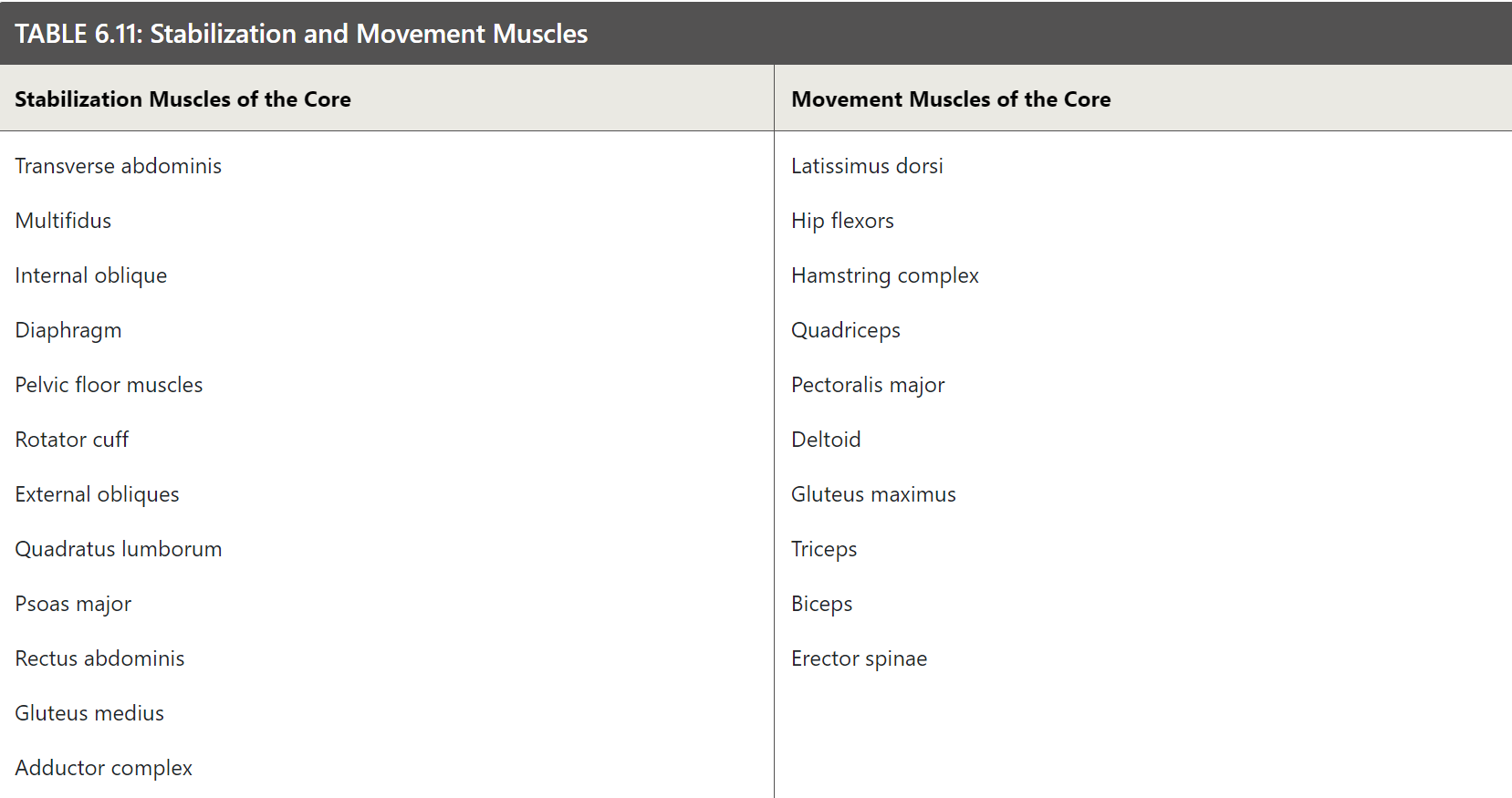
When most people think of core training, they think of training their abs with crunches and planks. Although these are common core exercises, they are only a part of what instructors should target and plan for properly training the core. The core consists of all the muscles of the trunk, including the abdominals, muscles of the spine, and the hips. These muscles are the center of power and strength for the body and provide stability for all the body's movements. The core works to absorb and transfer forces to and from the upper and lower extremities. The core also helps to stabilize the lumbar spine, pelvis, and hips, protecting these regions from excessive stress and injury. Muscles of the core can be classified as either muscle stabilizers or those that produce movement (see Table 6.11; Figures 6.3 and 6.4).
Common goals participants will have for core training are improved aesthetic (e.g., a "six-pack"), better functional or sports performance, and preventing or managing low back pain. By understanding the different types of core exercises and what they will accomplish, you can design classes to achieve these goals and help educate and motivate participants.
Types of Core Training
There are essentially three levels of core training that will help to improve the function of the core. These include stabilization, isolated strengthening to condition-specific core muscles, and integrated training to help the core work as a functional unit.
Stabilization training involves abdominal bracing (e.g., as with planks) or the drawing-in maneuver, which can be very helpful for improving stability in the core musculature. This type of training helps participants feel the muscle groups they should be training and educates them on how to stabilize their spine during movement (McGill et al., 2003). This will be helpful during exercise progression, and the instructor can refer to this idea during heavy lifts or challenging exercises during the workout. For this reason, these exercises are great choices during the movement prep portion of the class or in an introduction class.
Isolated strengthening exercises (e.g., crunches) emphasize a specific muscle group or movement and will improve strength or muscle endurance (Jørgensen et al., 2010). For example, a bridging exercise can improve strength or activation of the hip extensors. Note that it is important to consider muscle balance when training for isolated strength and to include the muscles on the posterior side of the body. For example, to improve low back strength you could include lumbar spine extension exercises such as a cobra or a superman as part of core training. This could be included in a workout to give balance for lumbar spine flexion exercises such as a crunch.
Practice This
The Drawing-in Maneuver
Stand with good posture and place your hand over your navel. Pull your navel away from your hand. You should be able to complete this without holding your breath (i.e., sucking in) and keeping your shoulders away from your ears.
Integrated core training exercises are used to train the core muscles to work in conjunction with the muscles of the lower and upper body, often involving exercises that include overhead pressing and unilateral movements (Saeterbakken & Fimland, 2012). During functional movement and several exercises, force is generated in the lower body and then transmitted through the core to the upper body. During integrated core training, exercises are included to give the nervous system the practice it needs to do these movements properly.
Core Training in Group Fitness
Core training in group fitness will depend greatly on the format you are teaching but, in general, you should make an effort to include some form of core training, when applicable. Classes such as indoor cycling will likely not have a portion dedicated to core training, but other formats will likely have the option to include time dedicated to core training. Many instructors choose to include core exercises at the end of the workout. Other instructors include low-volume core activation exercises at the beginning of class to engage the muscles and prep them for more intense work during the class. Another great option is to include some isolated or integrated exercises during the workout that will enhance the performance of exercises done in that specific format. For example, you could include a dumbbell squat to press during a strength training class and cue participants to focus on engaging their core and stabilizing the spine during the overhead press movement. This will activate the muscles of the core and improve functional performance.
Although it is tempting to jump right to the most difficult core exercise, it is important to meet participants where they are in terms of abilities and strength. An exercise can be made more difficult by increasing range of motion, exercise speed, or the length of the limb being moved or by adding weight. For example, during a crunch exercise you could add a weight plate during the crunch, focus on a specific tempo, increase how high the shoulder blades are lifted off the ground, lengthen the arms overhead, or add rotation (Figures 6.5 through 6.7). Each option would make the same exercise more challenging.
Static and Dynamic Balance Training
Balance is the body's ability to maintain the center of gravity over it's base of support and is required to maintain posture and to execute all types of movement. Balance can be divided into two forms: static and dynamic. Static balance refers to the ability to maintain a static equilibrium through perturbation while remaining still (e.g., standing on one foot). Dynamic balance refers to the ability to maintain the intended path of motion following an external perturbation or force placed on the moving body (e.g., maintaining position during a hop).
Balance training will train both the nervous system and the muscular systems. A significant portion of balance comes from the nervous system recruiting the right muscle at the right time with the right amount of force. Exercises that emphasize balance will improve the coordination of the muscles used and allow the individual to perform that movement with more ease and control. This can be helpful for a wide range of individuals. Athletes can improve performance with improved balance.
A group exercise participant will be able to work at a higher intensity or lift more weight if they have better balance. Older adults will improve their ability to perform ADLs, reduce their risk of falling, and increase balance confidence